
What are dental fillings?
A dental filling repairs a tooth damaged by decay, restoring its shape, function, and strength.
Dental fillings treat cavities by removing decayed material and filling the void with composite resin, amalgam, or ceramic. Sedation allows patients to have multiple fillings completed in one visit without fear or discomfort.

Treatment time:
1 visit under sedation. No downtime after.

Best for:
Patients with cavities, dental anxiety, or those needing multiple fillings at once.

May include:
Cavity removal, composite or ceramic filling, IV sedation or General Anesthesia.
Why choose sedation for fillings
Sedation makes filling appointments stress-free. Multiple cavities can be treated in one visit and patients with high sensitivity or anxiety feel nothing throughout.



The Dream Visit ™ experience.
Dream Visit™ is our proprietary sedation protocol that allows patients to complete complex dental treatment comfortably under IV sedation or General Anesthesia.
You sleep comfortably while our specialists complete your dental care. Wake up with your treatment finished.

Book a Free Consultation
Personalized Sedation Plan
Sleep Comfortably
Wake Up Smiling
All you need to know about fillings
How do I know if I need a filling?
Common signs include tooth sensitivity to cold or sweet, visible dark spots, rough edges you can feel with your tongue, or pain when biting. Many cavities are detected on routine X-rays before symptoms appear.
+Are white fillings as strong as silver amalgam?
Yes for most applications. Modern composite resin is strong, durable, and bonds directly to the tooth structure. It is suitable for the vast majority of cavities including back teeth.
+Building trust through every visit
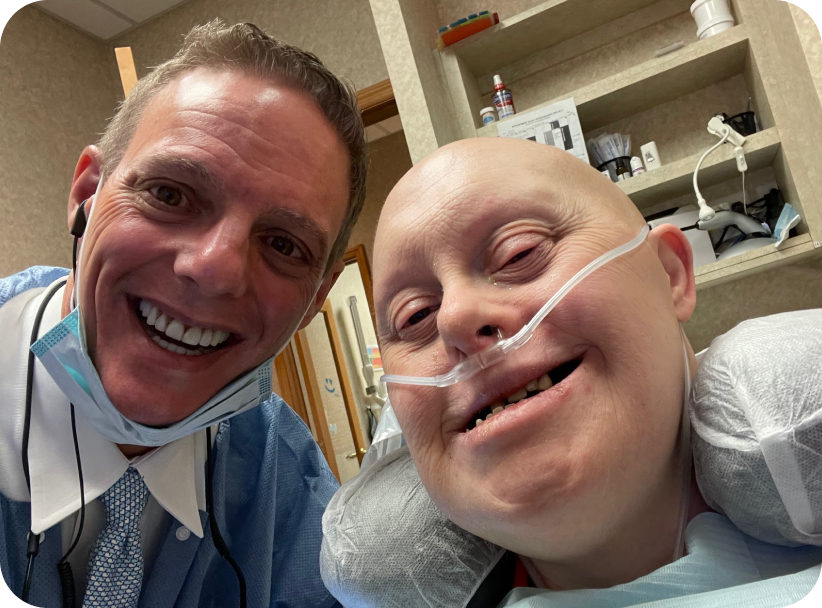
Although some dental cases can be complex, our patients become part of our extended care family. As they return for treatment, they begin to recognize familiar faces and feel more at ease. Our team builds trust over time — creating a safe and positive experience. For many families, what once felt impossible becomes manageable.
Over 30 years experience in sedation dentistry.
Smiles restored with dental sedation.
5 star reviews
Frequently asked questions.
Can I get fillings done under sedation?
Yes. All fillings at Dental Sedation Centers are completed under IV sedation or General Anesthesia. You are fully asleep and comfortable throughout.
Can multiple fillings be done in one visit?
Yes. Sedation allows us to treat multiple cavities safely in a single appointment, saving you several separate visits.
How long does recovery take?
Sedation wears off within a few hours. The treated teeth may be slightly sensitive for a day or two but there is no significant downtime.
What type of fillings do you use?
We use tooth-coloured composite resin and ceramic fillings for natural aesthetics. Our dentist will recommend the best material based on the location and size of the cavity.
Does insurance cover fillings under sedation?
We work with most insurance companies. Sedation coverage varies.
Do I need a driver?
Yes. A responsible adult must drive you home and stay with you for several hours after sedation. You cannot drive on the day of your procedure.
What Patients & Families Say





We’re here to help
How did you find us?
Two quick taps. It helps us reach more patients who need care.