
What is a root canal?
A root canal removes infected or damaged pulp from inside a tooth, relieving pain and saving the tooth from extraction.
Root canal therapy treats infection deep inside the tooth structure. Our in-house endodontist performs all root canal procedures under IV sedation or General Anesthesia, meaning you experience no pain or anxiety during treatment. Once complete, the tooth is sealed and a crown fitted to restore full function.

Treatment time:
1 visit under sedation. Mild soreness 1-3 days after.

Best for:
Patients with infected, inflamed or damaged tooth pulp, dental anxiety, or sensitivity to injections.

May include:
Pulp removal, root cleaning, canal shaping, sealing, crown placement, IV sedation or General Anesthesia.
Why choose sedation for root canals
For many patients, sedation makes root canal treatment feel far more approachable. It removes fear, eliminates discomfort, and allows multiple procedures to be completed efficiently in fewer visits.



The Dream Visit ™ experience.
Dream Visit™ is our proprietary sedation protocol that allows patients to complete complex dental treatment comfortably under IV sedation or General Anesthesia.
You sleep comfortably while our specialists complete your dental care. Wake up with your treatment finished.

Book a Free Consultation
Personalized Sedation Plan
Sleep Comfortably
Wake Up Smiling
All you need to know about root canals
Why do root canals have a bad reputation?
Most fear around root canals comes from outdated experiences. Under IV sedation the procedure is no more uncomfortable than having a filling. You sleep through the entire treatment and wake up with the pain gone.
+What happens if I leave an infected tooth untreated?
An untreated infected tooth will not heal on its own. The infection spreads to surrounding bone and tissue, can form an abscess, and in serious cases enters the bloodstream.
+Building trust through every visit
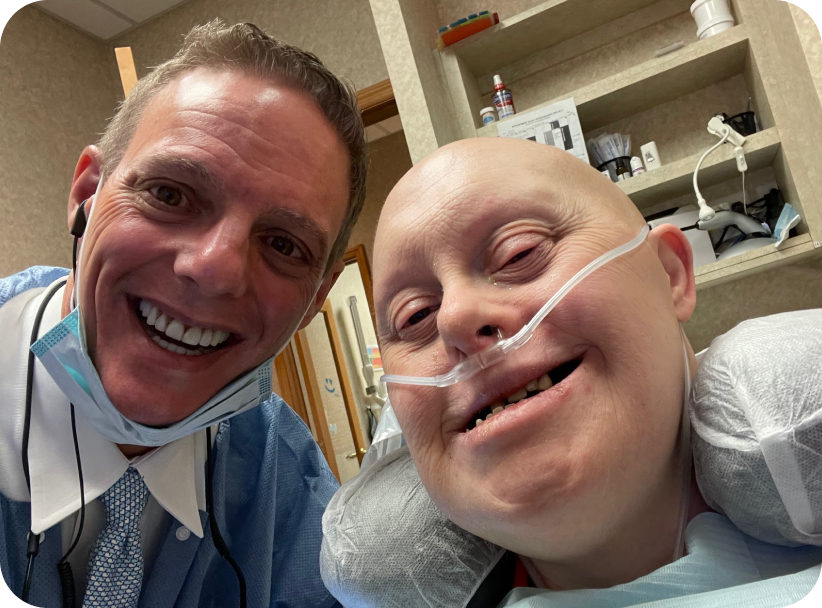
Although some dental cases can be complex, our patients become part of our extended care family. As they return for treatment, they begin to recognize familiar faces and feel more at ease. Our team builds trust over time — creating a safe and positive experience. For many families, what once felt impossible becomes manageable.
Over 30 years experience in sedation dentistry.
Smiles restored with dental sedation.
5 star reviews
Frequently asked questions.
Do root canals hurt?
Not with us. All root canal procedures are performed under IV sedation or General Anesthesia. You are fully asleep throughout and wake up with the treatment complete and no memory of the procedure.
How many visits does a root canal take?
Typically one sedation appointment. In some complex cases a second visit may be needed. We complete as much as safely possible in a single session.
Can a root canal be done under General Anesthesia?
Yes. We routinely perform root canals under both IV sedation and General Anesthesia. Our in-house Dental Anesthesiologist manages your sedation while our endodontist completes the procedure.
What happens after a root canal?
Mild soreness for 1-3 days is normal and manageable with over-the-counter pain relief. A crown is placed to protect the tooth. You need a responsible adult to drive you home on the day.
Is it better to extract or root canal a tooth?
Saving your natural tooth is always preferable when possible. Root canals have a high success rate and preserve the original tooth structure. Extraction leads to bone loss over time and requires an implant or bridge.
Does insurance cover root canals under sedation?
We work with most insurance companies. Call us to verify before your visit.
What Patients & Families Say





We’re here to help
How did you find us?
Two quick taps. It helps us reach more patients who need care.