
What is oral surgery
Oral surgery is the surgical treatment of conditions affecting the teeth, jawbone, gums, and surrounding tissues. Our in-house oral surgeon performs all procedures under IV sedation or General Anesthesia.
Oral surgery covers a range of procedures including tooth extractions, wisdom tooth removal, jaw surgery, and surgical treatment of gum disease. All procedures at Dental Sedation Centers are completed under IV sedation or General Anesthesia - you sleep comfortably while our in-house oral surgeon completes your treatment safely and efficiently.

Treatment time:
1 visit under sedation. Recovery 3-7 days depending on procedure.

Best for:
Patients needing extractions, wisdom teeth removal, jaw procedures, or complex surgical dental work.

May include:
Tooth extraction, wisdom tooth removal, bone grafting, biopsy, jaw realignment, IV sedation or General Anesthesia.
Why choose sedation for oral surgery
For many patients, sedation makes oral surgery feel far more approachable. It eliminates anxiety, ensures complete stillness, and allows complex surgical work to be completed safely and efficiently in a single visit.



The Dream Visit ™ experience.
Dream Visit™ is our proprietary sedation protocol that allows patients to complete complex dental treatment comfortably under IV sedation or General Anesthesia.
You sleep comfortably while our specialists complete your dental care. Wake up with your treatment finished.

Book a Free Consultation
Personalized Sedation Plan
Sleep Comfortably
Wake Up Smiling
All you need to know about oral surgery
Is oral surgery painful?
No. Under IV sedation or General Anesthesia you are fully asleep throughout. You wake up with the procedure complete and little to no memory of your visit.
+What is the difference between IV sedation and General Anesthesia for oral surgery?
IV sedation produces a deep sleep-like state where you are unaware and comfortable but breathing independently. General Anesthesia produces complete unconsciousness and is used for more complex or lengthy procedures.
+Building trust through every visit
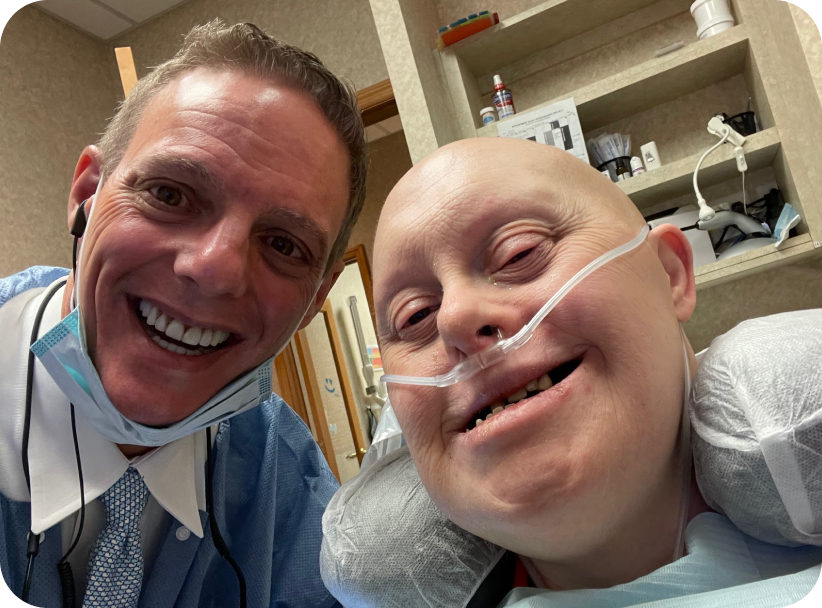
Although some dental cases can be complex, our patients become part of our extended care family. As they return for treatment, they begin to recognize familiar faces and feel more at ease. Our team builds trust over time — creating a safe and positive experience. For many families, what once felt impossible becomes manageable.
Over 30 years experience in sedation dentistry.
Smiles restored with dental sedation.
5 star reviews
Frequently asked questions.
What oral surgery procedures do you perform under sedation?
We perform tooth extractions (including wisdom teeth), bone grafting, surgical treatment of gum disease, jaw procedures, and other complex oral surgical work. All are completed under IV sedation or General Anesthesia.
Will I be asleep for the entire procedure?
Yes. Under IV sedation or General Anesthesia you are fully comfortable and unaware throughout. Most patients have little to no memory of the procedure and feel as though they simply had a nap.
How long does recovery take after oral surgery under sedation?
Most patients recover from sedation within a few hours. Surgical recovery depends on the procedure – simple extractions 2-3 days, complex work up to a week. Full post-operative instructions are provided.
Is oral surgery under sedation safe?
Yes. We use hospital-grade monitoring throughout including ECG, blood pressure, oxygen saturation, and capnography. Our team includes a dedicated Dental Anesthesiologist and is fully compliant with Florida Board of Dentistry regulations.
Do I need someone to drive me home?
Yes. A responsible adult must drive you home and stay with you for several hours after your procedure. You cannot drive or operate machinery on the day of your sedation.
Does insurance cover oral surgery under sedation?
We work with most insurance companies. Call us to verify your coverage before your first visit.
What Patients & Families Say





We’re here to help
How did you find us?
Two quick taps. It helps us reach more patients who need care.